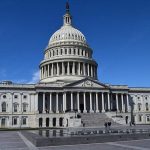
Proposed Act: Educational Accountability & Personal Liability Act of 2026
POLICY PROPOSAL SUMMARY:
Where authority breaches its duty of care, institutional immunity shall be void, and personal accountability shall be imposed on those who abdicate their responsibilities.
Congress must act—consistent with the principles established in the Sarbanes–Oxley Act—to restore integrity, transparency, and accountability in education.
Section 1. The Problem and Purpose
Across educational institutions, enforcement failures persist when those in authority are shielded from consequences. When misconduct is ignored, enabled, concealed, or met with deliberate indifference or retaliation, institutional systems fail those they are entrusted to protect. This pattern is not theoretical—it is evidenced across high-profile cases: from the systemic sexual abuse enabled in the Larry Nassar scandal, to the mishandling of campus antisemitism complaints, to institutional corruption exposed in the Kids for Cash scandal. These cases reveal the same underlying failure: when individuals in positions of authority face no personal consequences, violations are allowed to persist, harm escalates, and accountability breaks down. When institutions absorb settlements as a cost of doing business while responsible actors evade liability, enforcement becomes optional rather than obligatory.
Purpose:
This must change. Accountability must follow authority, and those who breach their duty of care must face personal consequences to restore integrity, protect students, and ensure the law is truly enforced.
Section 2. Removal of Institutional Immunity
Institutional immunity shall be void and nullified for any authority who:
- Engages in misconduct
- Enables, facilitates, or is complicit in misconduct
- Acts with deliberate indifference to known risks or violations
- Conceals, misrepresents, obstructs, or interferes with reporting or investigative processes
- Retaliates against complainants, witnesses, or advocates
Personal liability shall be imposed on any authority who:
- Directly engages in misconduct
- Knowingly enables, facilitates, or is complicit in misconduct
- Exhibits deliberate indifference to known or foreseeable harm
- Conceals, distorts, or obstructs reporting or investigative processes
- Retaliates in any form against complainants, witnesses, or advocates
Section 3. Personal Liability and Accountability
In such cases, personal liability shall attach.
Responsible individuals shall be held accountable through appropriate sanctions, including:
- Loss of academic, administrative, or professional standing
- Financial liability for damages
- Forfeiture of employment benefits and pensions
- Civil penalties and, where warranted, criminal prosecution
Section 4. Enforcement and Certification
To ensure compliance and early detection, accountability and enforcement mechanism must include:
- Certified Reporting Requirement
Authorities responsible for receiving, reviewing, and resolving complaints shall provide periodic, certified reports under penalty of perjury, affirming the accuracy, completeness, and integrity of all actions taken. - Individual Accountability for Misconduct
Any individual in a position of authority—including administrators, faculty, professors, and staff—who engages in misconduct, enables violations, conceals material facts, or retaliates against complainants shall be subject to personal accountability and proportionate consequences for breaching their duty of care and professional obligations. - Independent and Conflict-Free Assignment
All complaints must be assigned through independent, conflict-free, and randomized processes to prevent bias, undue influence, or institutional interference. - Standardized Investigation Framework
Investigations shall be conducted and documented using a uniform reporting template, ensuring inclusion of all relevant facts, evidence, findings, applicable policies or laws, and determinations, with clear rationale and documentation of decision-making. - Transparent Tracking and Oversight Systems
Institutions must implement secure, real-time tracking systems for misconduct reporting, investigation status, and resolution outcomes. These systems shall provide appropriate transparency and auditability, while maintaining robust privacy safeguards to protect all parties involved.
Section 5. Federal Funding Conditions
Eligibility for federal funding shall be contingent upon:
- Demonstrated enforcement of misconduct policies
- Compliance with transparency and reporting requirements
- Protection of complainants from retaliation
Failure to comply shall result in financial penalties, funding restrictions, or loss of eligibility.
Section 6. Guiding Principle
Accountability shall follow authority.
When authority abuses or abdicates its duty of care, institutional immunity is void, and personal liability shall be imposed.
CALL ON CONGRESS
We respectfully urge Congress to take immediate action to restore integrity in education by codifying personal accountability for those entrusted with authority. When enforcement fails and immunity shields misconduct, harm multiplies. When accountability is enforced, trust is restored.